
What Makes Artisan Food Expensive? The Real Cost
Table of Contents
- What Makes Artisan Food Expensive? A Cost Breakdown
- Artisan vs Mass-Produced Food: Where the Price Goes
- The Role of Craftsmanship and Traditional Methods
- Supply Chain, Overhead, and Economies of Scale
- Marketing, Packaging, and the Price Premium
- How to Identify Authentic Artisan Products
- Is the Higher Price Worth It?
- Conclusion: Value Beyond the Price Tag
- Frequently Asked Questions
Last Updated: September 5, 2026
What Makes Artisan Food Expensive? A Cost Breakdown
Artisan food is expensive because it replaces the three hidden subsidies of industrial production with real costs: premium ingredients, skilled labor, and genuine time. When you buy a loaf of bread for $8, you are paying for flour that was grown with intention, hands that have spent years learning to shape it, and an oven that was not rushed to meet a quota. This guide from Foodie Box Love breaks down exactly where that money goes so you can decide if the premium is worth it for your kitchen.
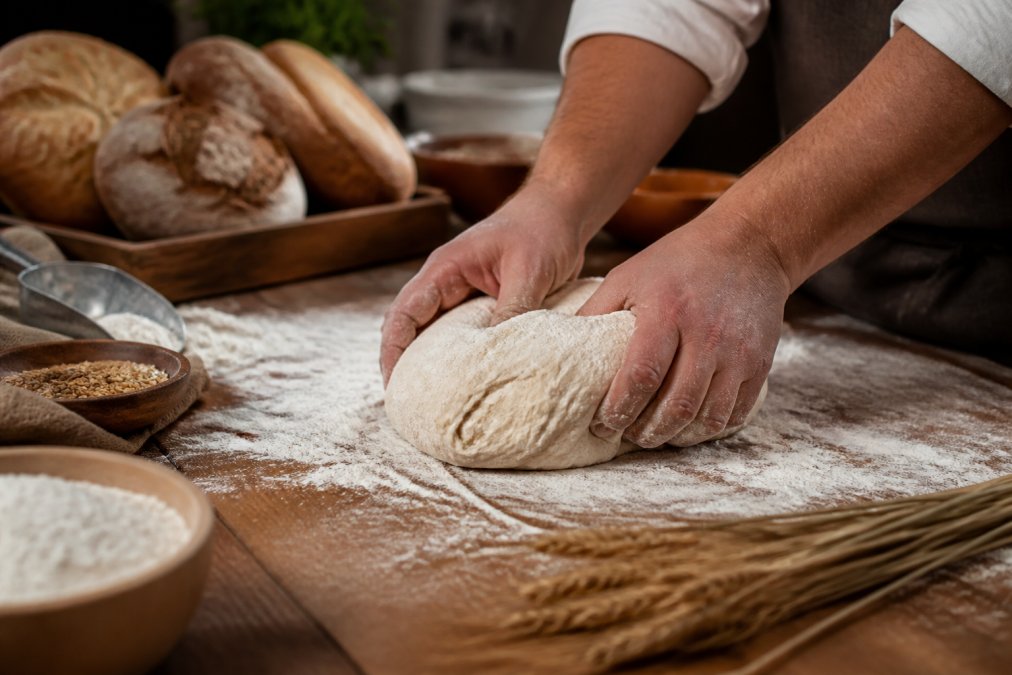
The price gap between a $4 grocery loaf and an $8 bakery loaf is not about greed. It comes down to a completely different set of inputs. Industrial bakers use enzymes and dough conditioners to produce bread in under two hours; an artisan baker might spend 24 hours fermenting the same dough (peer-reviewed research). That time, and the attention that fills it, is the core of what makes artisan food expensive.
A Hypothetical Per-Unit Breakdown: The $8 Loaf
To see where the money actually goes, let’s trace a hypothetical $8 sourdough loaf from a small bakery. This is not a universal price list; it is a representative model based on common patterns in the industry.

| Cost Component | Estimated Cost per Loaf | What It Covers |
|---|---|---|
| Premium Ingredients | $1.50 - $2.00 | Organic flour, filtered water, sea salt, and a live starter maintained daily. Bulk commodity flour costs less than half of this. |
| Skilled Labor | $2.50 - $3.50 | A baker’s time over 24 hours: mixing, folding, shaping, scoring, and baking. At a wage of $18-$25 per hour, this is the largest single line item. |
| Overhead & Facilities | $1.00 - $1.50 | Rent, commercial kitchen insurance, energy for the oven, and equipment depreciation spread over a few hundred loaves per day, not millions. |
| Packaging & Distribution | $0.50 - $1.00 | Compostable paper bags, labels, and the cost of delivering to a farmers market or local shop. |
| Producer Margin | $1.00 - $1.50 | The small profit that keeps the bakery solvent. Industrial margins are thinner per unit but rely on volume. |
Add those ranges together, and the $8 price point is not a markup; it is the sum of visible costs. The $4 grocery loaf, by contrast, spreads its overhead across tens of thousands of units daily, uses commodity flour, and relies on dough conditioners to skip the 24-hour fermentation. The difference is not greed, it is the cost of time and care.
Why This Breakdown Matters for Your Wallet
Understanding this structure changes how you shop. When you see a $10 jar of small-batch jam, you can estimate that roughly 30-40% of that price is the fruit and sugar, 25-35% is the labor of small-batch cooking and jarring, and the rest covers overhead and a modest margin. If a product’s price is mostly packaging and marketing, say, a fancy box with a vague origin story, you are not paying for craftsmanship; you are paying for a story.
This cost breakdown is the lens that separates genuine artisan food from premium-priced industrial goods. It also explains why artisan food cannot compete on price: it never tries to. It competes on flavor, texture, and the integrity of its ingredients. When you pay $8 for that loaf, you are not overpaying for bread; you are underpaying for a process that industrial baking has trained you to ignore.
Artisan vs Mass-Produced Food: Where the Price Goes
A simple comparison shows where your dollar travels. When you buy artisan vs mass-produced food, you are choosing between paying for ingredients and paying for process.
| Cost Factor | Mass-Produced Food | Artisan Food |
|---|---|---|
| Ingredients | Commodity, lowest bidder | Premium, often organic or heritage |
| Production Speed | High volume, automated | Slow, small-batch, hand-crafted |
| Labor Skill | Machine operators | Trained craftspeople |
| Shelf Life | Long (preservatives added) | Short (no artificial additives) |
| Overhead | Spread across millions of units | Spread across hundreds of units |
The mass-produced model optimizes for production efficiency and shelf life, often relying on preservatives and artificial additives to survive a long supply chain. The artisan model optimizes for food quality and flavor, which naturally limits how long a product can sit on a shelf.
The Role of Craftsmanship and Traditional Methods
Traditional methods are not romantic nostalgia; they are functional techniques that produce a different result. The slow fermentation in sourdough breaks down gluten in a way that commercial yeast cannot. Hand-braided pasta traps sauce differently than extruded shapes. These artisanal techniques require culinary expertise that cannot be automated.

A common mistake is assuming "artisan" simply means "made by hand." In practice, it signals a producer who has chosen a harder path. They are rejecting the shortcuts of industrial food production in favor of methods that deliver a superior sensory experience. That choice is a value-added proposition, and it is priced accordingly.
Supply Chain, Overhead, and Economies of Scale
Economies of scale dictate that a factory producing a million jars of sauce has a tiny cost per jar. A producer making 500 jars has the same rent, insurance, and equipment costs spread over far fewer units. This is the overhead that industrial giants minimize and small makers cannot.
Artisan supply chains are also shorter and more transparent. A direct-to-consumer maker knows exactly where every ingredient came from, and they often pay more for that traceability. When you buy from a small producer, you are also paying for their lack of bargaining power. They cannot demand the volume discounts that a multinational corporation secures.
Marketing, Packaging, and the Price Premium
Not every premium price reflects the food inside. Consumer perception is heavily influenced by packaging and storytelling, and artisan brands invest heavily in both. A beautiful label, a compelling story about the farm, and sustainable packaging all add cost.
This is where the "artisan" label gets murky. The price premium on a product is not always a reliable indicator of quality. Some large corporations now use "artisan-style" marketing language for products made on the same industrial lines. The FDA food labeling guidance outlines what claims like "natural" and "artisan" can legally mean, which is often less than consumers assume. The term "artisan" itself is not strictly regulated, so the label alone is not proof of small-batch production.
The Legal Vacuum Around the Word "Artisan"
Unlike "organic," which the USDA defines and enforces through a certification program, the term "artisan" has no legal definition in the United States. The FDA does not restrict its use on food packaging. This means a multinational corporation can legally slap "artisan-style" on a loaf of bread made in a fully automated factory with preservatives and dough conditioners. There is no federal standard to stop them. value of artisan mugs.
The result is a marketplace where the word has been diluted to a marketing adjective rather than a production claim. A survey by the International Food Information Council found that consumers believe "artisan" implies small-batch production, but the law does not require that. This gap between consumer expectation and legal reality is what allows price-gouging to happen under the guise of craftsmanship.
How to Spot "Marketing-Artisan" Products
A genuine artisan product and a "marketing-artisan" product can sit side by side on the same shelf at very different prices. Here is how to tell them apart without a magnifying glass:
- Check the ingredient list for preservatives. If a product labeled "artisan" contains potassium sorbate, calcium propionate, or artificial flavors, it is not small-batch. Genuine makers rely on fermentation, sugar, salt, or refrigeration for preservation.
- Look for a specific producer name and address. A real artisan will name the farm, mill, or kitchen. A vague "Distributed by" with a corporate PO box is a red flag.
- Ask about production volume. A genuine small-batch producer can tell you how many units they make per week. If the answer is "thousands," you are buying industrial food with a rustic label.
- Compare the shelf life. Artisan bread goes stale in days, not weeks. Artisan jam relies on sugar and acid, not preservatives, to last. If a product sits unopened for a year at room temperature, it is engineered for shelf life, not flavor.
The Real Cost of the Label
When you pay a premium for a "marketing-artisan" product, you are not supporting a small producer; you are funding a marketing department. The price premium goes to advertising, packaging design, and shareholder returns, not to better ingredients or skilled labor. This is why the label alone is not a reliable signal of quality.
To protect your wallet, use the same scrutiny you would apply to any major purchase. Read the back label, ask the producer direct questions, and trust your senses. A genuine artisan product will taste different, smell different, and spoil differently than its industrial counterpart. Those differences are the real proof of craftsmanship, not the font on the front of the package.
How to Identify Authentic Artisan Products
Learning how to identify authentic artisan products protects your wallet and your palate. The first clue is usually the ingredient list. Authentic makers have nothing to hide, so their lists are short and recognizable. If you see preservatives, artificial additives, or chemical-sounding names, the product is industrial, regardless of the label.
Reading Labels and Asking the Right Questions
Look beyond the front of the package. The back label reveals the truth. Check for the producer's name and location, not just a distributor. A specific farm or mill is a good sign; a vague corporate address is not.
When in doubt, ask questions. Where is the product made? What is the source of the main ingredient? How long is the shelf life? A genuine artisan producer can answer these questions specifically. A marketing team will give you adjectives. The USDA definition of organic standards can also help you verify one specific claim, but it does not guarantee small-batch methods.
Is the Higher Price Worth It?
For the home cook, the decision comes down to how you use the food. If you are cooking a quick weeknight meal with heavy sauces, a commodity product may be indistinguishable from an artisan one. But for a dish where the ingredient is the star, a simple pasta with olive oil, the difference is dramatic.
The sensory evaluation is the ultimate test. Taste a mass-produced olive oil and a small-batch one side by side. The artisan oil will have a peppery finish and a grassy aroma; the industrial one will taste flat. That is the difference between a product engineered for shelf life and one crafted for flavor. Sustainability is another factor; supporting small producers who use traditional methods often means supporting more environmentally sound farming practices.
Conclusion: Value Beyond the Price Tag
What makes artisan food expensive is not a mystery or a scam. It is the true cost of ingredients grown with care, labor performed by skilled hands, and time that cannot be rushed. When you buy artisan food, you are casting a vote for a food system that values quality over volume.
At Foodie Box Love, we make it easy to explore this world without the guesswork. Our hand-curated boxes feature small-batch products from passionate makers, from our Artisanal Pasta box with bronze-cut pasta and gourmet sauces to our Gourmet Coffee selections from dedicated roasters. Get started with Foodie Box Love and taste the difference that craftsmanship makes.

Frequently Asked Questions
What is considered artisan food?
Artisan food is produced in small batches using traditional methods and hand-crafted techniques rather than industrial processes. Think small-batch jams, hand-braided pasta, or slow-fermented bread. These products prioritize quality over volume, often using premium ingredients like grass-fed butter or organic flour. The focus stays on the craft of food production, where the maker's skill directly shapes the final taste and texture. That commitment to craftsmanship is what separates artisan food from standard grocery store fare.
What are the primary factors that drive up the cost of artisan goods?
Three factors drive the cost: premium ingredients, labor intensity, and lack of economies of scale. Artisan makers buy smaller quantities of higher-grade inputs like single-origin chocolate or organic produce, paying more per unit. Their hand-crafted production methods take longer and require skilled labor, which raises labor costs. Finally, without mass-production volumes, overhead costs spread across fewer items, making each unit more expensive. The result is a price that reflects the true cost of food production done carefully.
Is artisan food always higher quality than mass-produced alternatives?
Not automatically, but artisan food often delivers better flavor and texture for a few reasons. Small-batch production allows makers to control fermentation, roasting, or curing times precisely. They typically avoid preservatives and artificial additives because shorter supply chains mean products reach you faster. However, quality varies between producers. Learning how to identify authentic artisan products, like checking for transparent sourcing and visible craftsmanship, helps you find makers who genuinely prioritize food quality over marketing. Taste-testing different brands is the most reliable way to judge for yourself.