

Simple Ways to Use Truffle Oil: A Complete Guide
Table of Contents
- Understanding Truffle Oil: What You're Working With
- Best Dishes for Truffle Oil
- Truffle Oil Finishing Techniques That Actually Work
- How to Store Truffle Oil Properly
- Pairing Guide by Oil Base
- Common Mistakes When Using Truffle Oil
- Frequently Asked Questions
Last Updated: September 3, 2026
Understanding Truffle Oil: What You're Working With
Truffle oil is an infused oil made by blending a neutral base oil with truffle essence or synthetic truffle flavoring, designed to deliver the earthy, aromatic qualities of fresh truffles at a fraction of the cost. Most commercial truffle oils use synthetic compounds rather than actual truffles.
Synthetic versions are shelf-stable, affordable, and widely available, making them practical for home cooks. Cold-pressed oils, made from actual truffles, offer more authentic umami but command higher prices and shorter shelf lives. The flavor profile is unmistakably pungent and sophisticated, a little goes a long way. Heat diminishes its distinctive character, which is why truffle oil works best as a finishing condiment rather than a cooking oil.
At Foodie Box Love, we curate artisan oils that help home cooks elevate everyday meals. Our Drizzle & Drip box includes hand-selected finishing oils, including premium truffle options from small-batch makers who understand flavor balance.

Best Dishes for Truffle Oil
Pasta and Risotto
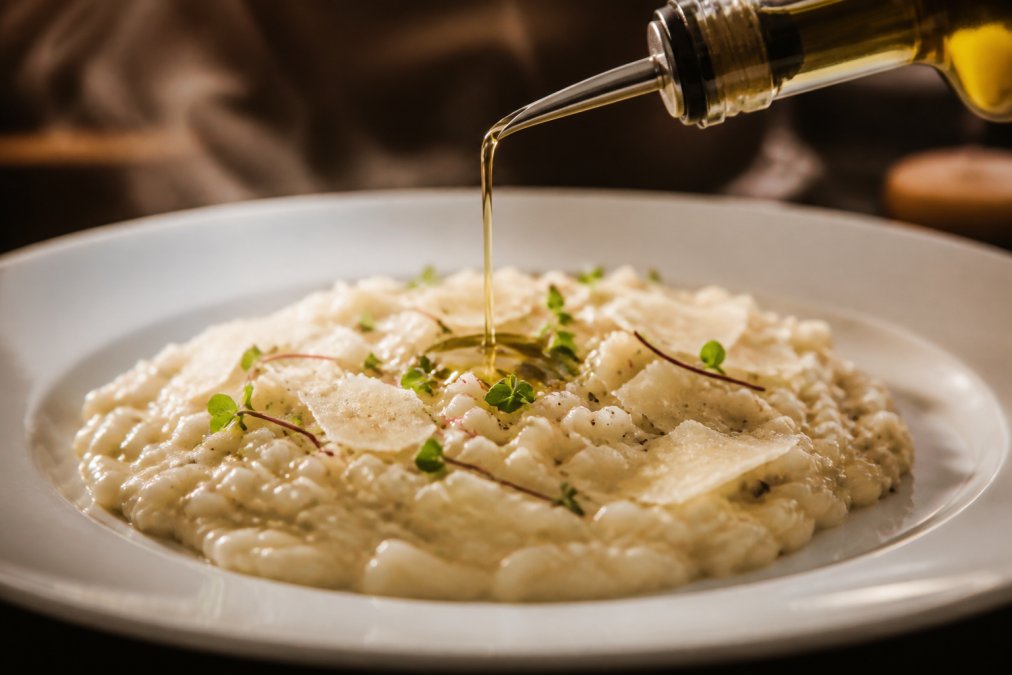
Pasta and risotto are ideal canvases for truffle oil's earthy essence. Finish a bowl of fresh tagliatelle or pappardelle with a light drizzle after plating; the warmth of the pasta releases the aromatic compounds without burning them. Risotto, with its natural umami from stock and cheese, becomes transcendent with truffle oil added just before serving.

Cook your pasta or risotto normally, then add the truffle oil after removing from heat. A half-teaspoon per serving is typically sufficient for pasta; risotto can handle slightly more due to its creamy texture. Pairing truffle oil with earthy ingredients like mushrooms, brown butter, and sage amplifies its effect.
Eggs and Breakfast
Truffle oil transforms simple eggs into a gourmet experience. Scrambled eggs, omelets, and soft-boiled eggs all gain sophistication with a modest drizzle added after cooking. A perfectly cooked egg with truffle oil and fleur de sel becomes restaurant-quality.
Avoid cooking truffle oil directly with eggs. Instead, treat it as a finishing garnish. One or two drops per egg is often enough to create the desired effect.
Soups and Cream Sauces
Soups and cream sauces represent an ideal canvas for truffle oil's intensity. Butternut squash soup, mushroom bisque, and potato cream soups all gain depth when finished with a swirl of truffle oil. Cream-based sauces for pasta or meat benefit similarly, a beurre blanc or cream sauce for steak becomes restaurant-quality with a few drops stirred in at the end.
Stir in the oil just before serving, when soups and sauces are warm around 160-180°F. This temperature releases the aroma without degrading the volatile compounds that give truffle oil its character.
Roasted Vegetables and Fries
Roasted vegetables gain unexpected sophistication from a post-roasting drizzle of truffle oil. Brussels sprouts, root vegetables, and mushrooms all pair well with the oil's earthy notes. Roast your vegetables normally, then toss them with truffle oil immediately after removing from the oven.
French fries represent one of the most popular applications. A light drizzle over hot fries, finished with fleur de sel, creates a simple but memorable dish. Apply truffle oil while vegetables are still warm but not actively cooking.
Pizza and Bread
Pizza and bread applications showcase truffle oil as a condiment rather than a cooking ingredient. A drizzle over a finished pizza adds a gourmet touch without affecting the crust or cheese. Truffle oil pairs particularly well with white pizzas, mushroom-based varieties, and cheese-forward pies.
Bread benefits from truffle oil as a dipping oil for crusty loaves and as a finishing touch for focaccia or flatbreads. Apply it after baking rather than incorporating it into the dough to preserve its aromatic intensity.
Popcorn and Mashed Potatoes
Popcorn represents an underrated application where truffle oil shines. Pop your corn normally, then toss it with a small amount of truffle oil and sea salt. A half-teaspoon of truffle oil for a full batch is typically sufficient.
Mashed potatoes become luxurious with a drizzle of truffle oil stirred in just before serving. The starchy base absorbs the oil's flavor, and the creamy texture carries the umami throughout the dish.
Truffle Oil Finishing Techniques That Actually Work
The Drizzle Method
The drizzle method is the foundation of using truffle oil effectively. Apply it as a final garnish, a thin stream over the surface of a plated dish, rather than stirring it into hot food. This preserves the oil's aromatic intensity and creates visual appeal. versatile seasoning blends.
Proper drizzling requires a light hand. Most home cooks use too much truffle oil, overwhelming the dish's other flavors. Start with a quarter-teaspoon per serving and adjust upward based on taste. The goal is to enhance, not dominate. Treat truffle oil like a finishing salt or pepper, an accent, not a base.
Temperature Sensitivity and Smoke Point
Most truffle oils have a smoke point between 325-350°F, significantly lower than extra virgin olive oil (usda.gov). This means truffle oil should never be used for sautéing, frying, or any cooking method involving sustained heat. When truffle oil reaches its smoke point, the aromatic compounds break down, creating a bitter, unpleasant flavor.
The oil can tolerate brief exposure to warm food at 150-180°F, but anything hotter risks degradation. Rather than viewing it as a cooking ingredient, treat it as a condiment. Add it after cooking is complete, when the food is warm enough to release its aroma but cool enough to preserve its character.
Troubleshooting Over-Application
Over-application is the most common mistake when using truffle oil. If you've added too much, the damage is difficult to reverse. Prevention is simpler: use a measuring spoon rather than pouring directly from the bottle. A half-teaspoon is generous; a quarter-teaspoon is often sufficient.
If you do over-apply, for soups and sauces, diluting with additional base liquid can help balance the flavor. For solid foods like pasta or vegetables, serving a smaller portion alongside other dishes can minimize the impact.
How to Store Truffle Oil Properly
Store truffle oil in a cool, dark place, ideally a pantry or cabinet away from direct sunlight and heat sources. The refrigerator is not ideal, cold temperatures can cause the oil to solidify or become cloudy.
Once opened, truffle oil typically remains usable for 6-12 months, depending on whether it's synthetic or made from actual truffles (the FDA). Synthetic versions last longer; cold-pressed oils made from real truffles should be used within several months of opening.
Transfer the oil to a smaller container if you have a large bottle. Minimizing air exposure slows oxidation, which degrades the flavor over time. Keep the cap tightly sealed between uses.
Pairing Guide by Oil Base
Truffle oil comes in several base oil varieties, each with distinct characteristics.
Olive oil-based truffle oil pairs well with Mediterranean flavors, pasta with garlic and herbs, roasted vegetables, and bread dipping oils. This is the most versatile option for home cooks.
Grapeseed oil-based truffle oil offers a neutral background that lets the truffle flavor take center stage. It works well for delicate applications like finishing soups or drizzling over fish.
Avocado oil-based truffle oil provides a creamy mouthfeel and subtle buttery notes, working particularly well with eggs, mashed potatoes, and cream-based dishes.
Sunflower or safflower oil-based truffle oil represents the most affordable option. These neutral bases work adequately for most applications, though they lack the subtle complexity of premium oils.
Common Mistakes When Using Truffle Oil
The most frequent error is cooking with truffle oil rather than finishing with it. Heat degrades the aromatic compounds that make truffle oil distinctive. Always add truffle oil after cooking is complete.
Using too much is the second most common mistake. A half-teaspoon per serving is generous; many dishes benefit from just a quarter-teaspoon. Start small and adjust upward.
Pairing truffle oil with heavily spiced or intensely flavored dishes often results in a muddled taste. The truffle essence works best with relatively neutral bases where its earthy, umami qualities can shine.
Storing truffle oil in the refrigerator or exposing it to direct sunlight accelerates degradation. Cool, dark storage preserves the oil's potency far longer.
| Common Mistake | Why It Happens | How to Avoid It |
|---|---|---|
| Cooking with truffle oil | Treating it like regular olive oil | Add truffle oil after cooking is complete |
| Using too much | Not measuring portions | Use a measuring spoon; start with ¼ teaspoon |
| Pairing with wrong dishes | Assuming it works everywhere | Reserve it for neutral, creamy, or earthy bases |
| Poor storage | Not understanding shelf life | Store in cool, dark place; use within 6-12 months |
| Expecting it to transform bad cooking | Viewing it as a fix | Use truffle oil to enhance good dishes, not rescue poor ones |
Foodie Box Love's Drizzle & Drip box introduces you to premium finishing oils, including artisan truffle options from small-batch makers. Rather than buying a full bottle of truffle oil without guidance, curated selections let you explore how different oil bases and truffle varieties perform in your own kitchen.
Truffle oil transforms simple meals into gourmet experiences when used thoughtfully. The key is understanding it as a finishing condiment, not a cooking ingredient, respecting its temperature sensitivity, using it sparingly, and pairing it with dishes where its earthy, umami character can shine. Start with basic applications like pasta, eggs, and roasted vegetables, then expand to soups, cream sauces, and bread as your confidence grows. Culinary Institute of America's guidance on finishing oils and flavor techniques confirms that the most effective use of specialty oils comes from understanding their aromatic properties and applying them strategically rather than indiscriminately.
If you're ready to explore premium finishing oils alongside other gourmet staples, Foodie Box Love's curated selections offer hand-selected artisan options delivered monthly. Our Chef's Companion box ($115.00) includes 5-6 artisan pantry items designed to elevate everyday cooking, while our Drizzle & Drip box ($60.00) focuses specifically on finishing oils and condiments that transform plates from ordinary to memorable. Both options include truffle oils from passionate small-batch makers, giving you access to quality ingredients without the guesswork of sourcing them yourself.

Frequently Asked Questions
Should I add truffle oil before or after cooking?
Always add truffle oil after cooking, never during. Truffle oil is a finishing oil, its delicate aroma and flavor break down at high heat. Add it as the final touch to hot dishes just before serving. This preserves the aromatic compounds that make truffle oil special and delivers the full umami intensity your palate expects.
What are the best dishes to pair with truffle oil?
Truffle oil shines on creamy dishes like risotto, pasta, and mashed potatoes, where its earthy flavor complements rich textures. It's exceptional on roasted vegetables, French fries, eggs, and soups. Avoid pairing it with sweet or acidic dishes that clash with its savory, pungent character. The key is letting truffle oil be the star, not competing with other bold flavors.
Can you use truffle oil for frying or high-heat cooking?
No. Truffle oil has a low smoke point and will lose its distinctive flavor and aroma when exposed to high temperatures. Use it exclusively as a finishing oil after cooking. If you need an oil for cooking, choose a neutral option like vegetable or olive oil, then drizzle truffle oil over the finished dish for maximum impact.
How do I know if my truffle oil is synthetic or real?
Check the label for the ingredient list. Real truffle oil contains actual truffle pieces or truffle extract. Synthetic truffle oil uses truffle essence or chemical compounds to mimic the flavor. Both can taste good, but real truffle oil offers more complexity. Shelf-stable synthetic versions are affordable for everyday cooking, while truffle essence blends deliver gourmet results without the premium price.