

How to Use Gourmet Sauces: 7 Chef-Approved Techniques
Table of Contents
- Start With the Right Sauce for the Job
- Gourmet Finishing Sauces: The Final Drizzle That Changes Everything
- How to Pair Artisan Sauces With Food (Without Guessing)
- Creative Uses for Gourmet Hot Sauce Beyond the Obvious
- Sauce-to-Ingredient Ratios: Getting the Amount Right
- Dietary and Allergen Modifications for Gourmet Sauces
- Storing Gourmet Sauces to Protect Their Flavor
- Where to Find Sauces Worth Using
- Frequently Asked Questions
Last Updated: September 15, 2026
Start With the Right Sauce for the Job
Most home cooks treat every bottle the same way: twist the cap, pour, hope for the best. That approach wastes good product. Knowing how to use gourmet sauces starts with one distinction that separates a $12 bottle from a $4 one: whether it was built to cook or built to finish. This guide from Foodie Box Love walks through seven techniques, from pan sauces to dessert pairings, so nothing in your pantry goes unused.
Gourmet sauces are small-batch, artisan-made condiments, glazes, and finishing sauces designed to add layered flavor rather than just heat or sweetness. Unlike mass-produced condiments, they are typically made in limited runs with recognizable ingredients.
Finishing Sauces vs. Cooking Sauces
A finishing sauce goes on after the heat is off (Sauce, Dressing & Condiment Recipes). Its job is acidity, brightness, and aroma, and heat destroys all three. A cooking sauce is built to take abuse: it reduces, caramelizes, and thickens in the pan.
Get this backwards and dinner suffers. A delicate herb-forward finishing sauce cooked into a stew turns bitter and flat. A thick glaze spooned cold over a finished dish tastes raw and one-dimensional.
Reading a Label Like a Cook
The first three ingredients tell you almost everything. If sugar or corn syrup leads, expect caramelization and use it as a glaze. If oil or vinegar leads, it is a finishing sauce. If tomato paste or fruit leads, it can handle a simmer.
Look for "small-batch," a named producer, and a production date. These signal a sauce made to be tasted, not warehoused.
Gourmet Finishing Sauces: The Final Drizzle That Changes Everything
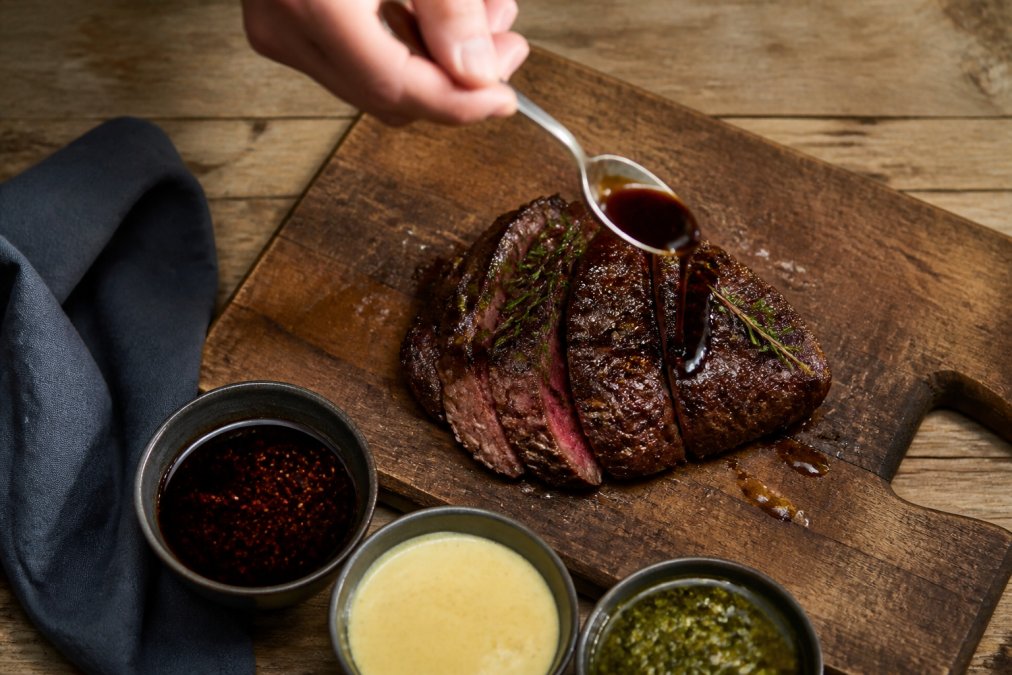
A finishing drizzle is the single highest-use move in home cooking: it adds aroma, acidity, and visual polish in under five seconds. The technique matters more than the sauce.
Warm the sauce to room temperature first. Cold sauce sits on top of food; room-temperature sauce coats it. Then drizzle in a thin stream from height, not a blob from a spoon. A squeeze bottle gives you control.
Temperature Matters More Than You Think
Heat sensitivity is the most overlooked variable. High-acid finishing sauces, like vinegar or citrus reductions, break and turn harsh above a simmer (seriouseats.com). Oil-based sauces with garlic or chili can scorch and go acrid. Dairy-based ones split outright.
The fix is simple: add finishing sauces off the heat, or in the last 30 seconds. If a sauce needs warming, do it in a small bowl over the stove's residual heat, not in the pan.
How to Pair Artisan Sauces With Food (Without Guessing)
Pairing is not intuition. It follows a repeatable structure, and once you learn it you can match any bottle to any plate.
The Acid-Fat-Salt Framework
Every good pairing balances three levers. Acid cuts richness. Fat carries aroma and rounds out harsh edges. Salt amplifies everything else.
| Food | Needs | Sauce Profile | Example |
|---|---|---|---|
| Seared steak | Acid, brightness | Vinegar or chimichurri-style | Herb-forward green sauce |
| Roast chicken | Fat, depth | Butter or oil-based | Garlic chili crisp |
| Grilled fish | Acid, heat | Citrus or chili | Tangy chipotle |
| Roasted vegetables | Fat, salt | Oil-based, savory | Truffle or herb oil |
| Vanilla ice cream | Acid, salt | Fruit or balsamic | Aged balsamic reduction |
A common mistake is doubling down on what is already there. A rich braise needs acid, not more fat. A lean fish needs fat, not more acid.
Creative Uses for Gourmet Hot Sauce Beyond the Obvious
Hot sauce belongs in more places than the wing platter. Its acid and heat make it a seasoning tool, not just a condiment. The trick is treating it the way a cook treats vinegar or citrus, as a balancing agent, not a topping.
Where Hot Sauce Replaces Acid
Most artisan hot sauces are built on vinegar, lime, or fermented chili, which means they deliver acid and heat in a single move. Use them anywhere a recipe calls for a squeeze of lemon or a splash of vinegar and you want the dish to land warmer and more savory.
- Scrambled eggs: 1/2 teaspoon per two eggs, whisked in before they hit the pan. The acid keeps curds tender; the heat blooms in the fat.
- Vinaigrette: Replace half the vinegar with hot sauce. A standard 3:1 oil-to-acid ratio becomes 3 tablespoons oil to 1 1/2 tablespoons vinegar plus 1 1/2 tablespoons hot sauce.
- Melted chocolate: A dash (about 1/4 teaspoon per 4 ounces) adds mole-style depth without reading as spicy. The capsaicin amplifies the bitter notes in dark chocolate.
- Compound butter: Mash 1 tablespoon hot sauce into 4 tablespoons softened butter, roll in parchment, and freeze. Slice off coins for steak, corn, or biscuits.
- Yogurt dip: 2 tablespoons hot sauce per 1 cup full-fat yogurt, plus a pinch of salt. The dairy fat buffers the heat and lets the chili flavor come through.
The Heat-to-Fat Rule
Heat compounds in fat and dissipates in acid and dairy (pubmed.ncbi.nlm.nih.gov). That single fact explains most hot sauce mistakes. A chili crisp stirred into melted butter gets hotter as it sits; the same amount whisked into a vinegar-based dressing tastes milder a minute later. If a dish tastes too hot, add fat or acid, not more sauce.
Sauce-to-Ingredient Ratios: Getting the Amount Right
Too much sauce drowns a dish; too little disappears.
Over-glazing is the most common way to ruin a good sauce. Sugar-heavy glazes burn in under a minute over high heat, leaving a bitter, blackened crust. Apply glazes at medium heat and watch them.
Dietary and Allergen Modifications for Gourmet Sauces
Storing Gourmet Sauces to Protect Their Flavor
What Actually Spoils a Sauce
Refrigerate or Not: A Practical Split
| Sauce type | Storage after opening | Typical usable window |
|---|---|---|
| Vinegar-based (hot sauce, shrubs, most vinaigrettes) | Pantry is fine; fridge extends flavor | 6-12 months |
| Oil-based with dried spices | Pantry, cool and dark | 3-6 months |
| Oil-based with fresh garlic or herbs | Refrigerate | 1-2 weeks |
| Fruit, jam, or tomato-based | Refrigerate | 2-4 weeks |
| Dairy- or cream-based | Refrigerate | 5-7 days |
| Fermented chili or soy-based | Refrigerate for best flavor | 6-12 months |
Handling Rules That Extend Life
Where to Find Sauces Worth Using
Frequently Asked Questions
Do you have to heat gourmet sauces before serving?
It depends on the sauce. Finishing sauces like aged balsamic, truffle oil, and herb-infused olive oil are best at room temperature or lightly warmed. Heating them too much can flatten their aroma and break down delicate compounds. Cooking sauces, like tomato-based or cream-based options, should be heated through. If you are unsure, taste a small amount cold first, then warm a spoonful and compare. The one that tastes brighter and more layered is the temperature to serve.
Can gourmet sauces be used as marinades or just as toppings?
Most gourmet sauces work as both, but the sauce's viscosity and acid content determine which role suits it best. Thin, acidic sauces like vinegar-based glazes penetrate protein quickly and work well for 30-minute marinades. Thick, sugar-heavy sauces like BBQ glaze burn easily over high heat, so brush them on during the last few minutes of cooking instead. A good rule: if the sauce tastes balanced straight from the jar, it can marinade. If it tastes sharp or concentrated, save it for finishing.
How do you store gourmet sauces to maintain their flavor profile?
Store opened sauces in the refrigerator unless the label says otherwise. Heat, light, and oxygen are the three main enemies of flavor. Keep bottles tightly capped, away from the stove, and use a clean spoon or funnel when transferring to smaller containers. Oil-based sauces last longer than dairy-based ones. Check for separation, off smells, or color changes before using. Most opened artisan sauces stay fresh for a period in the fridge, though high-acid options like hot sauce can last longer.
What are the best ways to pair artisan sauces with proteins and vegetables?
Match intensity to intensity. Mild proteins like chicken and white fish pair well with citrus, herb, or cream-based sauces. Bold proteins like steak, lamb, and pork handle smoky, spicy, or vinegar-forward sauces. For vegetables, roasted or grilled options take on heavier sauces, while raw or steamed vegetables benefit from lighter vinaigrettes and herb oils. A reliable starting point: taste the sauce alone, then taste the protein alone, and ask whether the sauce adds something the protein is missing, like acid, heat, or sweetness.
The hardest part of cooking with gourmet sauces is not technique. It is finding bottles worth the effort in the first place. Foodie Box Love solves that with hand-curated artisan boxes, small-batch products from passionate makers, and flexible one-, three-, six-, or twelve-month gifting options delivered free nationwide. Get started with Foodie Box Love and turn every drizzle into something worth remembering.